In “James Henry Hammond and the Plantation as a Business Enterprise,” author Drew G. Faust observes the life of Hammond and his plantation as these awful places were truly businesses to be managed. He compared it to “war without the glory” because of all the work and money put into it, and not getting much out of it, especially at first. Hammond was very wealthy and estimated the total value of his plantation to be over $90 thousand, and net income ended up only being $775 at the beginning. Because of this, he put many changes in place, turning the plantation into a business in order to increase profit. After his first year of management, he earned 9.5% return on his capital, a profit of almost nine thousand. As cruel as slavery was and is, Hammond using a business model on his plantation made him “successful” in relative terms.
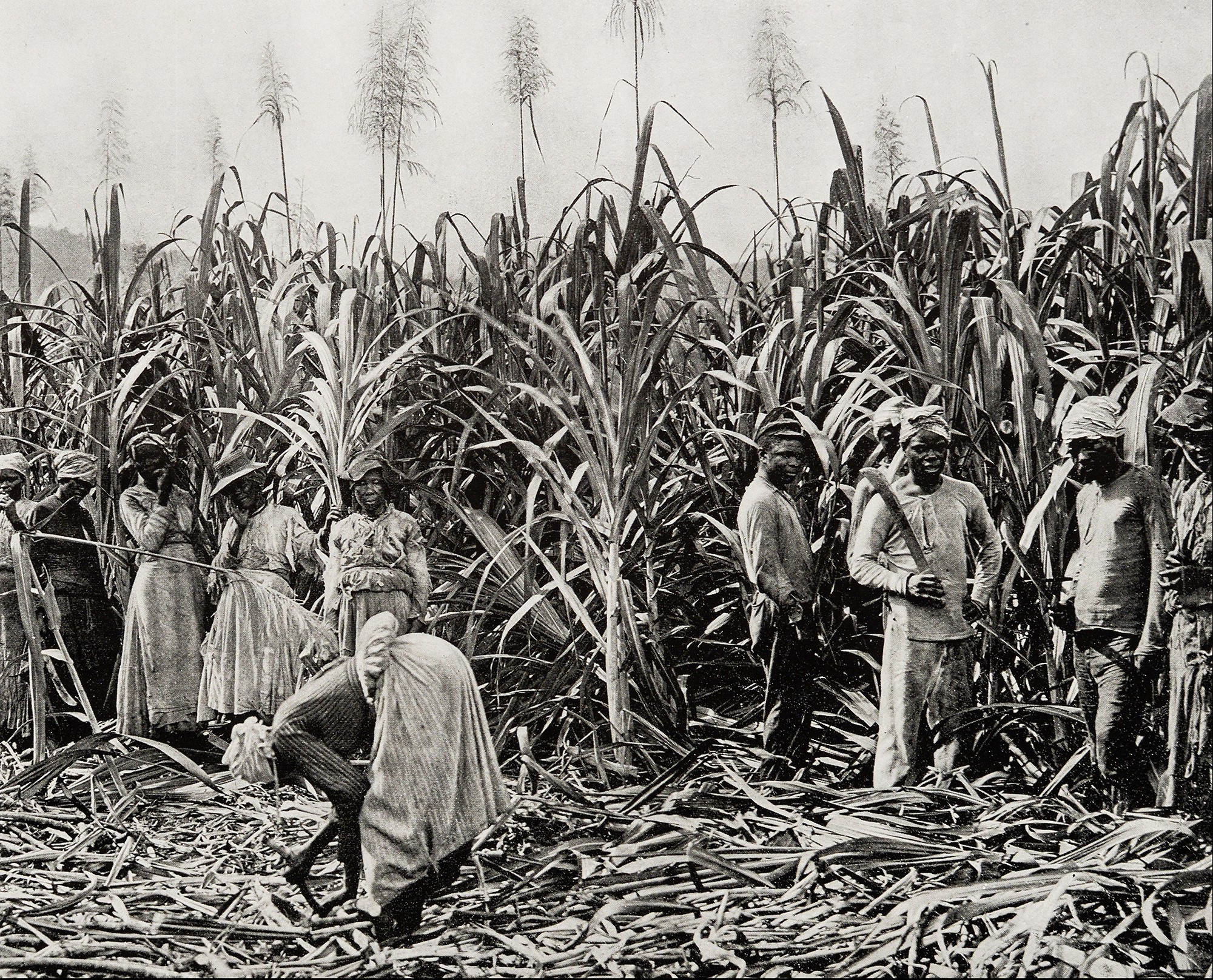
In “The Business of Slavery and the Rise of American Capitalism,” author Calvin Schermerhorn also discusses how slavery was really a business for slave masters. This seriously affected the American economy and was a huge aspect to early capitalism. North American capitalism truly developed due to every aspect of the slavery process, including trading, transport, financing and more.

 Bus & Econ Develop US